Home Composting: Four Common Mistakes and How to Correct Them
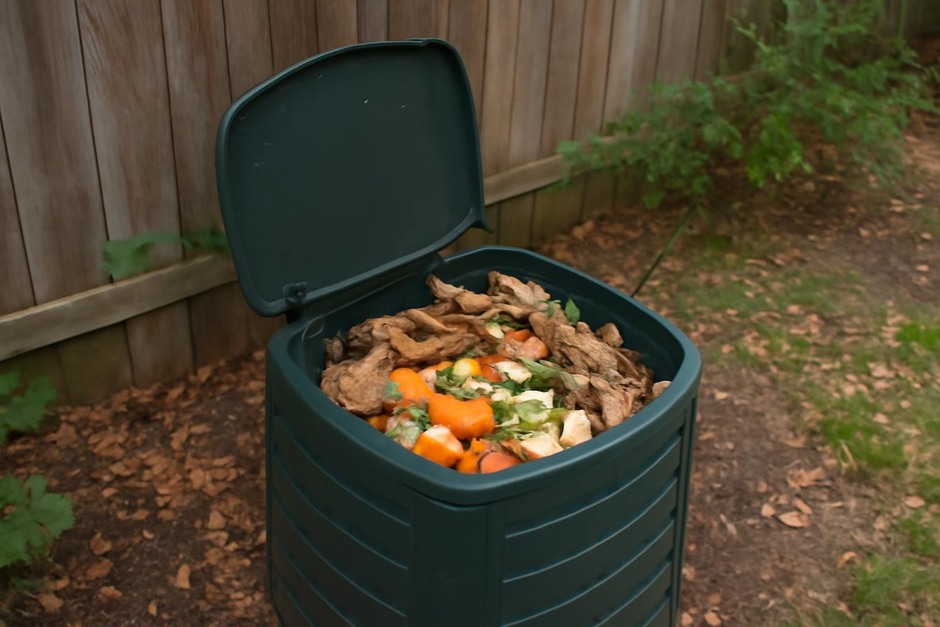
Composting at home is one of those quietly rewarding chores: it turns kitchen and garden scraps into something useful without much fanfare. Yet small misunderstandings can make a compost bin slow, smelly, or discouraging. Below is a calm checklist of four frequent mistakes and straightforward corrections you can use to keep a compost pile healthy and productive.
1. Mistake: The pile is too wet or smells sour
Observation: A compost heap that is soggy, slimy, or gives off a sour, ammonia-like odor usually has excess moisture and not enough air. This creates anaerobic conditions where unpleasant smells develop and decomposition slows.
Quick corrections
- Add dry, carbon-rich materials. Sprinkle torn cardboard, dry leaves, straw, or shredded paper to absorb moisture and introduce structure.
- Turn or fluff the pile. Use a pitchfork or compost aerator to open up compacted areas so air can reach wet pockets.
- Cover but don’t seal. If rain is adding too much water, provide a simple shelter or rotate the bin to a drier spot; avoid airtight containers that trap moisture.
- Watch green inputs. Limit large quantities of vegetable peels, coffee grounds, or cooked food added at once; mix them with browns immediately.
2. Mistake: The pile never heats up or breaks down slowly
Observation: A cold, sluggish pile often means the balance of materials is off—too few nitrogen-rich “greens,” too many browns, or too small a mass to sustain heat-producing microbial activity.
Quick corrections
- Check the greens-to-browns ratio. Aim for roughly equal volumes by feel: enough greens (kitchen scraps, grass clippings) to feed microbes, and enough browns (dry leaves, paper) to provide carbon.
- Build a larger active mass. If your bin is tiny, try grouping two or three small bins or creating a slightly larger heap so microbes can hold warmth.
- Chop or shred bulky items. Smaller pieces decompose faster—run prunings through a shredder or chop kitchen scraps before adding.
- Maintain moisture and aeration. A warm pile needs both water and oxygen; follow the other sections’ tips to sustain activity.
3. Mistake: The bin is compacted or lacks airflow
Observation: Dense, compacted layers trap moisture and block oxygen. Roots, newspapers, and wet lawn cuttings can mat together and create an anaerobic environment even if the pile isn’t overly wet.
Quick corrections
- Layer for structure. Alternate thin layers of greens and coarser browns (twigs, straw, shredded cardboard) to keep voids for air.
- Turn regularly but gently. Turning every few weeks prevents compaction and reintroduces oxygen—no need to overwork the pile.
- Add bulky helpers. Branches or wood chips mixed through provide long-lasting structure and airflow channels.
- Choose the right container. For small spaces, select a bin design with ventilation holes or use an open compost bay to encourage circulation.
4. Mistake: Expecting finished compost too soon or over-managing
Observation: Compost feels like a slow craft. Rushing it with excessive turning, or giving up when it seems to stall, are common frustrations. Conversely, neglecting it for months without occasional checks can also cause issues.
Quick corrections
- Set modest timelines. Understand that well-managed compost can take a few months to a year depending on materials and climate; seasonal patience is part of the process.
- Adopt a light rhythm. Check moisture and give a slow turn when layers look compacted or smells develop, but avoid constant disturbance.
- Use a three-bin approach if you like rhythm. One bin fills, one rests and matures, one is in use—this keeps chores predictable and yields steady results.
- Test readiness simply. Finished compost is dark, crumbly, and earthy-smelling; a quick jar or squeeze test shows it holds together loosely and doesn’t emit odors.
Conclusion: A few small adjustments—managing moisture, balancing greens and browns, encouraging airflow, and adopting reasonable expectations—go a long way toward a tidy, productive compost. Keep a short checklist by your bin: moisture (like a wrung-out sponge), mixed textures, occasional turning, and a patient timeline. These modest habits transform kitchen and garden waste into steady, useful soil amendment without drama.